
THE CRATERHOUSE STANDARD
At CraterHouse, quality isn't a marketing claim. It's a set of practices that starts in the soil and follows every bean from the highlands of Chiapas to your cup. We source from farmers we know by name, who use methods we've seen firsthand. This page exists because we believe you should know exactly what you're getting, and where it comes from.
TRACEABILITY
Every bag of CraterHouse coffee can be traced back to the farm it came from. We work directly with a small group of producers in the highlands of Chiapas, Mexico, near Volcán Tacaná, and we've visited them, interviewed them, and documented their methods ourselves. There are no anonymous supply chains here, no mystery middlemen, no blends designed to obscure origin. What's on the bag is what's in the bag.
This level of traceability matters to us for the same reason it matters to the farmers we work with: accountability runs both ways. They know who is buying their coffee, and you know who grew it.
SINGLE ORIGIN
CraterHouse coffee is single-origin, meaning every batch comes from a single growing region rather than being blended from multiple sources. Our beans are grown in the highlands of Chiapas, Mexico, in the volcanic soil surrounding Volcán Tacaná, where high elevation and mineral-rich earth shape the flavor profile of every harvest.
Single origin isn't just a sourcing preference. It's a commitment to letting the land speak for itself, rather than engineering consistency through blending.
Roasted at origin
Most coffee travels thousands of miles as a raw green bean before it's ever roasted, meaning the roasting happens far from where it was grown, often weeks or months after harvest. We do it differently.
CraterHouse coffee is roasted at origin in Chiapas, Mexico, as close to harvest as possible. That decision isn't incidental. It's one of the most important things we do for quality. Rushing the drying process, extending transport time, or roasting long after harvest all degrade the natural complexity that high-altitude, volcanic-soil coffee develops in the first place. Roasting at origin locks in that freshness before it has a chance to fade.
It also means the people in Chiapas aren't just growing your coffee. They're finishing it. The full value of that process stays closer to where it belongs.
ORGANIC PRACTICES
Our producers rely on natural, low-external-input farming methods that have been refined over generations. Across the farms we source from:
Coffee is grown under natural shade from native timber trees, which regulates temperature, retains moisture, and supports biodiversity
Fertilization is done organically — our farmers use cascabillo compost (dried coffee husks mixed with molasses and lime), vermicompost from California red worms, and other natural soil inputs
No synthetic fertilizers or pesticides are used in production
Farming methods favor long-lived, established coffee plants over high-yield hybrid varieties that require heavy chemical input
High Altitude growing
Our beans are grown at high elevations in the Chiapas highlands, where cooler temperatures slow the development of the coffee cherry. That slower growth concentrates sugars and compounds in the bean, producing the natural complexity and depth that makes single-origin coffee worth seeking out. It also means each harvest requires more patience and precision than lower-altitude farming. Something our producers are well practiced in.
Direct & Transparent Sourcing
We source directly from producers, which means more of what you pay goes to the people who grew your coffee. Our farmers have dealt with intermediaries who undercut prices and buyers who lack transparency on quantities and pricing. CraterHouse was built to be a different kind of buyer. One that shows up, pays fairly, and tells the full story.
This approach also means we can vouch for what we're selling in a way that blended, broker-sourced coffee simply can't.
THE PROCESS
From Soil to Cup
Grown in the shadow of Volcán Tacaná, our Arabica and Robusta beans thrive in nutrient-dense volcanic soil that gives each bean its natural depth and complexity. From harvest to roast, every step is guided by the same care and intention that has defined coffee culture in this region for generations.
GROWING
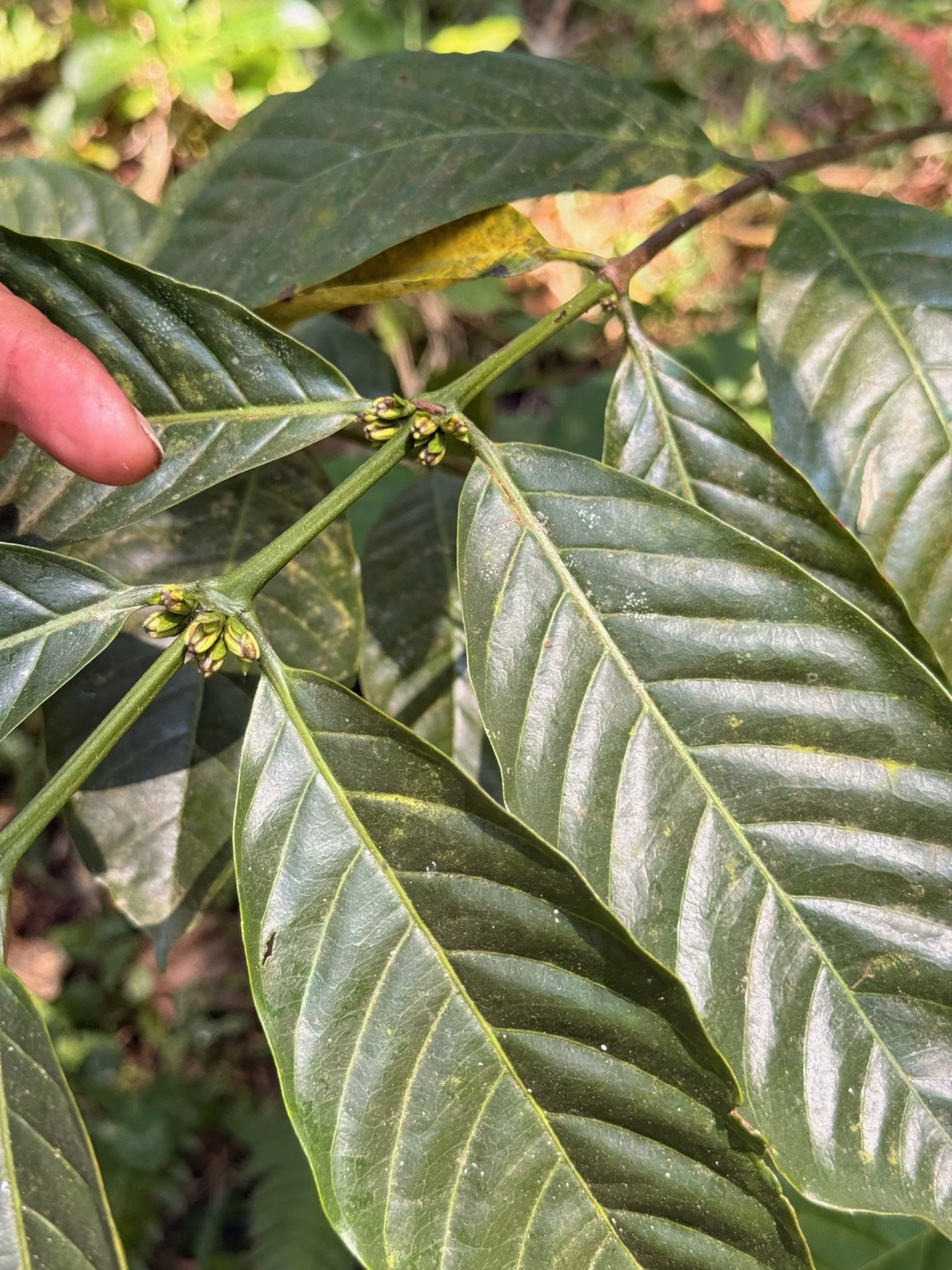
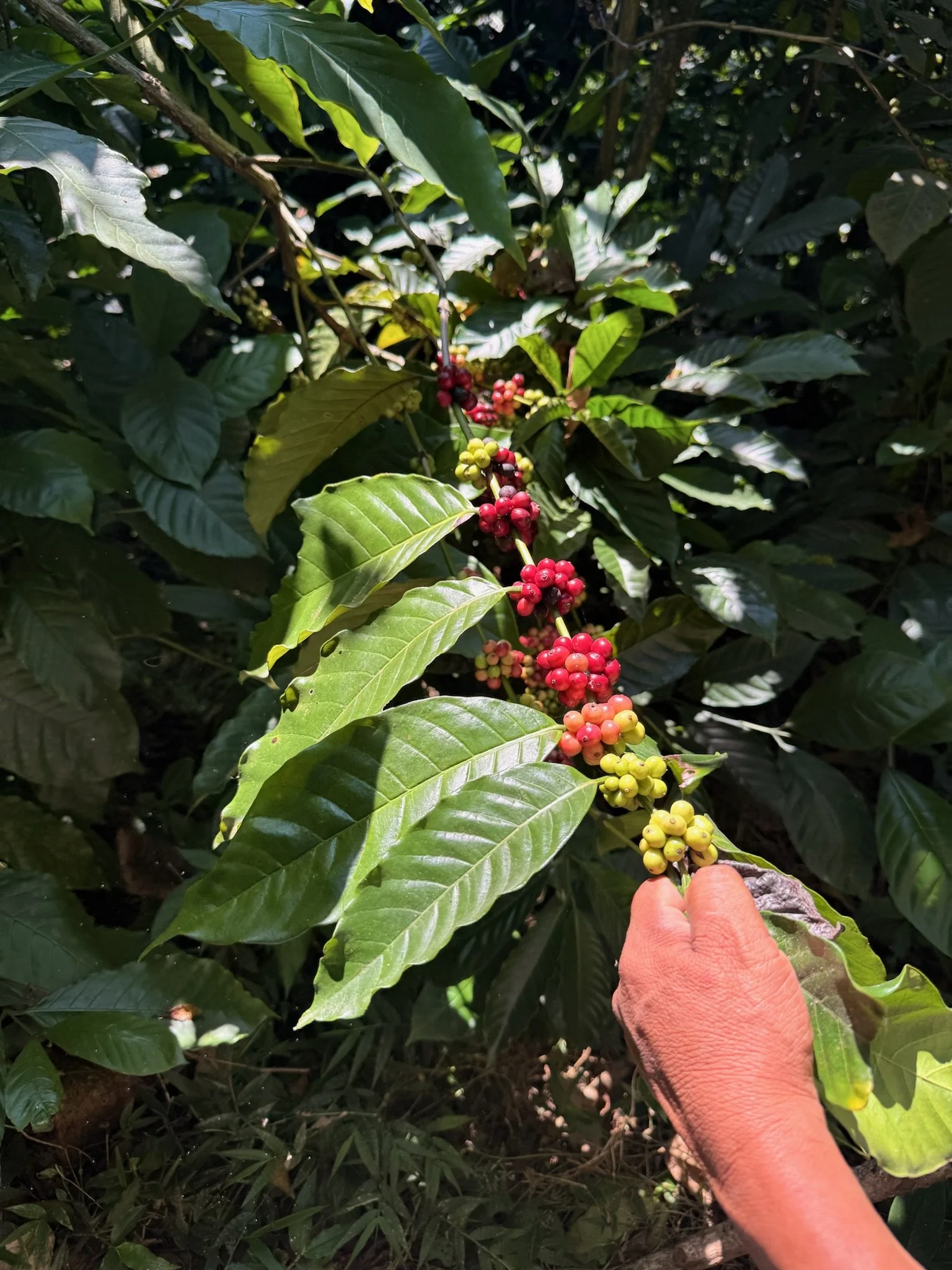
Grown in high altitudes in the Soconusco region, arabica and robusta develop slowly in rich volcanic soil.
HARVESTING
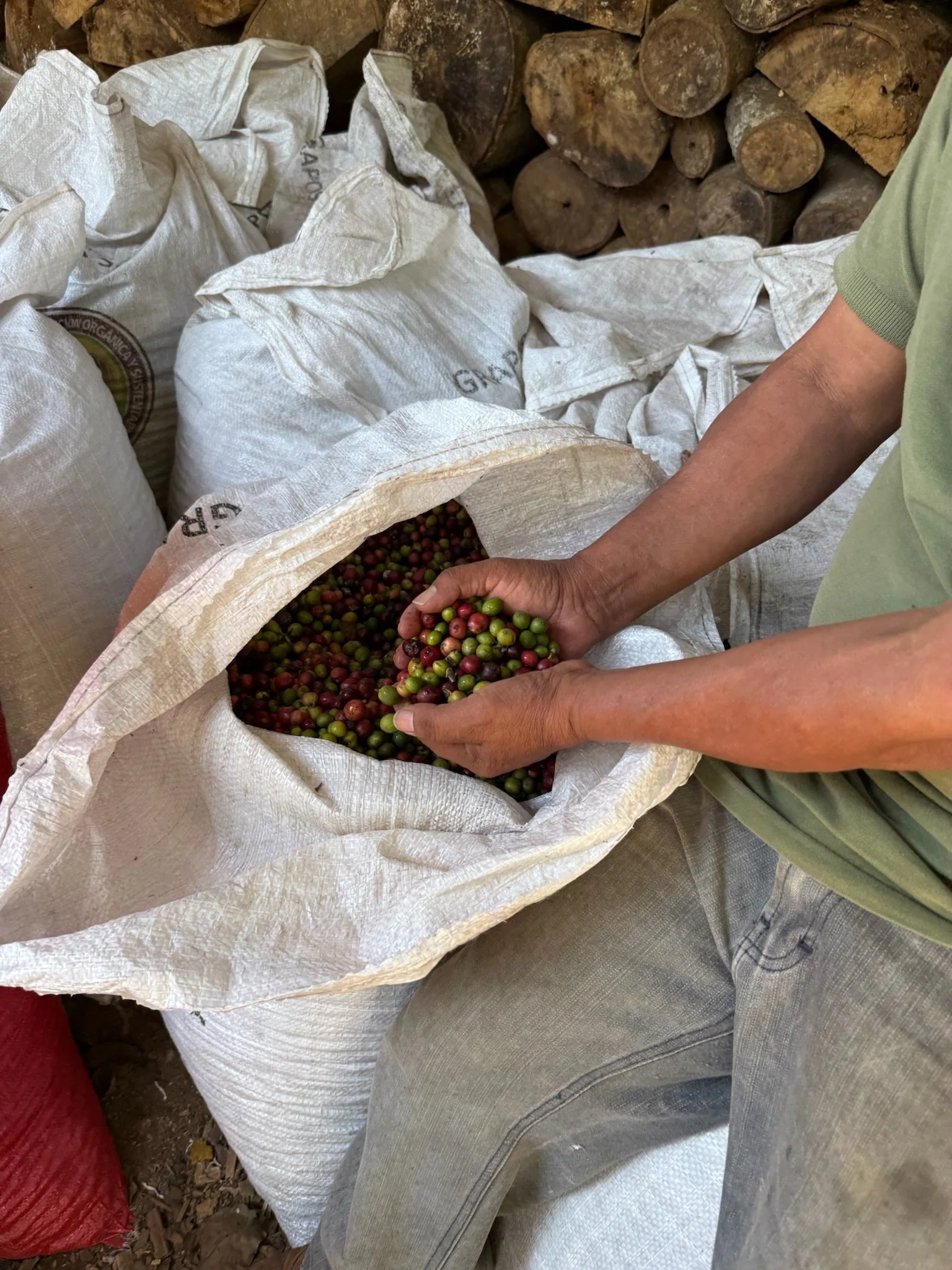
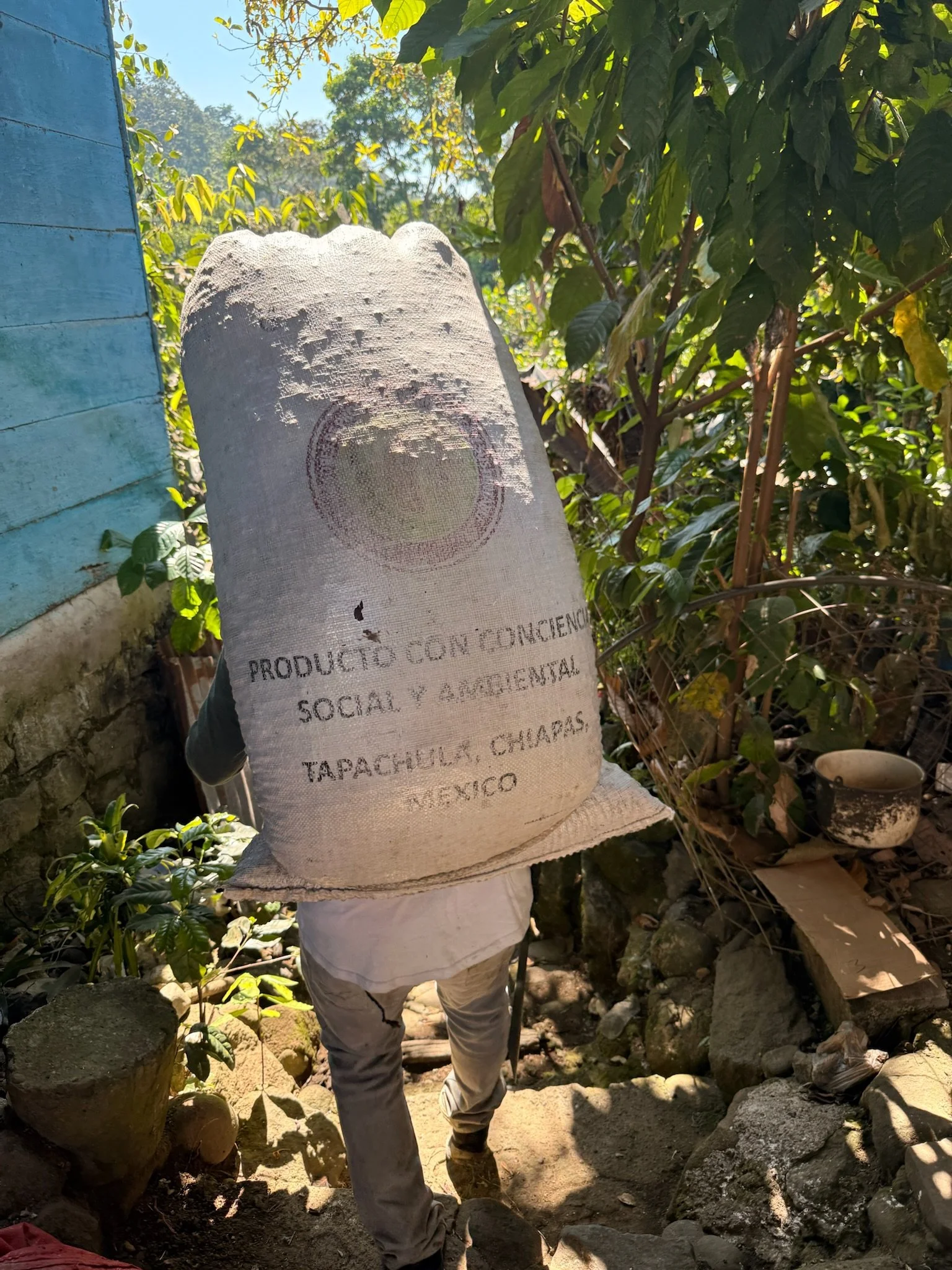
Workers called “cortadores” walk through rows of coffee plants individually hand picking only the ripe red cherries. They carry large bags strapped to their backs picking 100-200 lbs of cherries per day.
Harvest season runs from October through February
DRYING
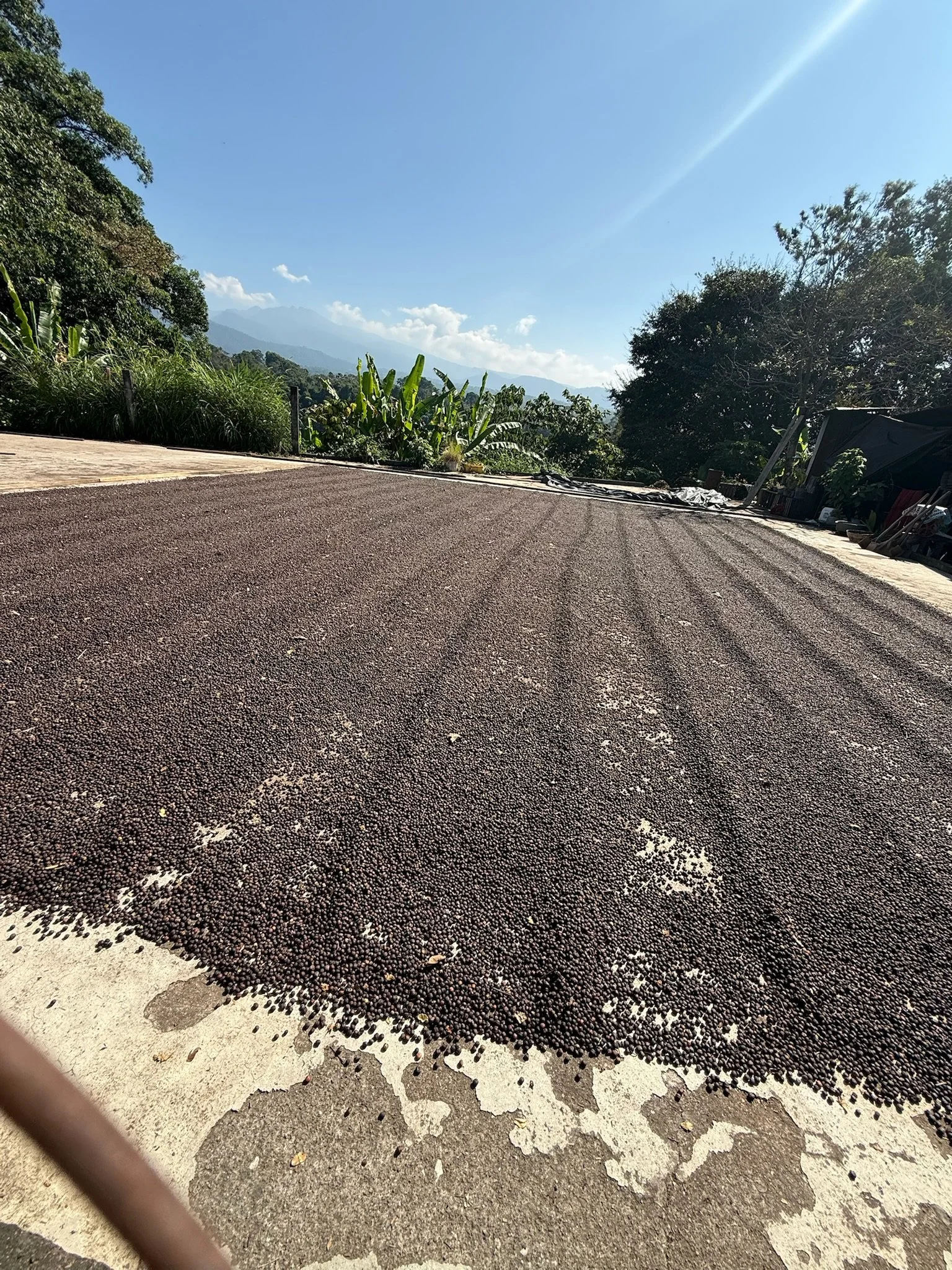
The beans are then laid out in the sun to dry naturally raked regularly for 1-2 weeks, once dried the outer fruit is milled off using traditional methods to preserve the integrity and character leaving only the green coffee bean
ROASTING
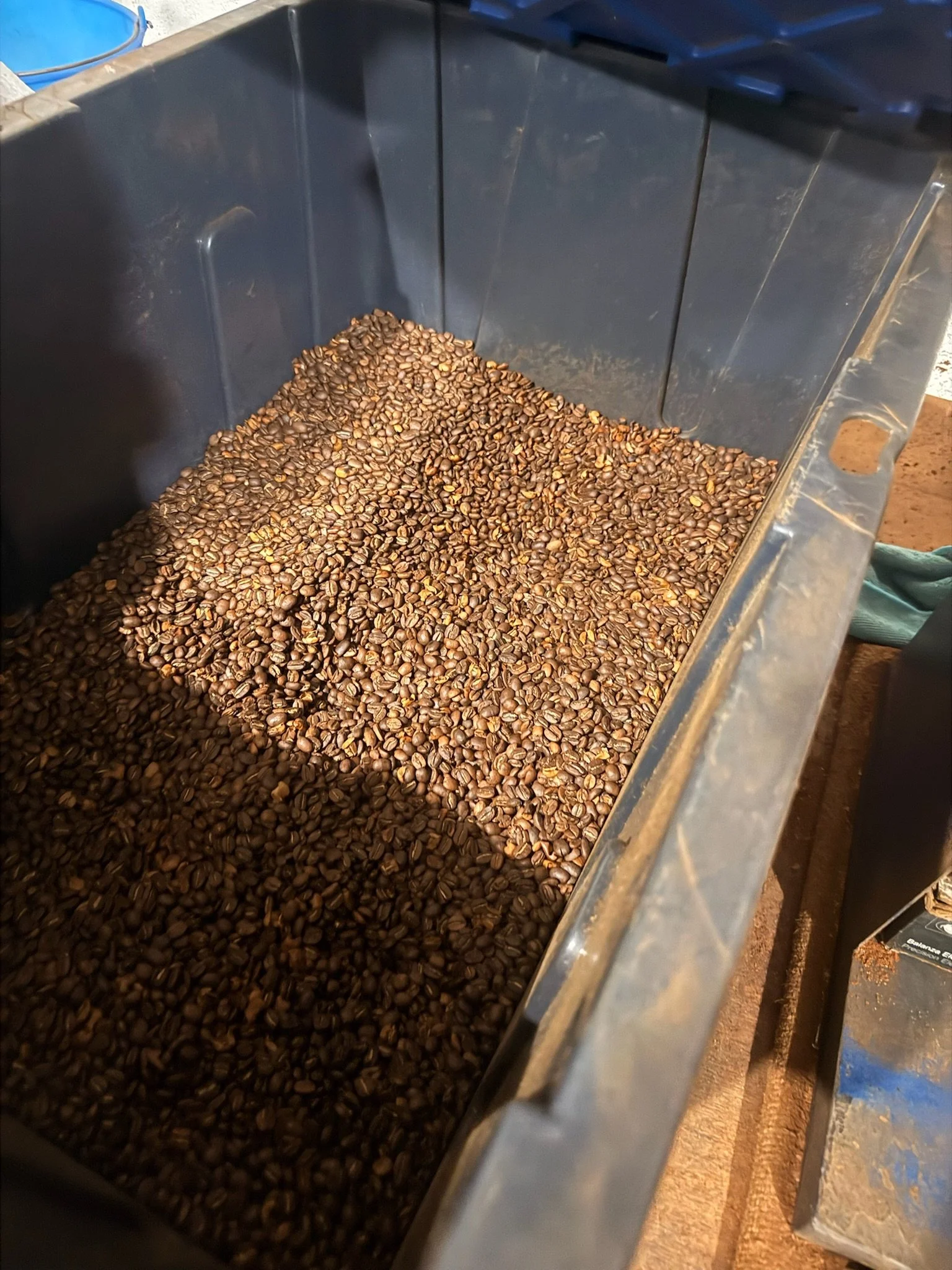
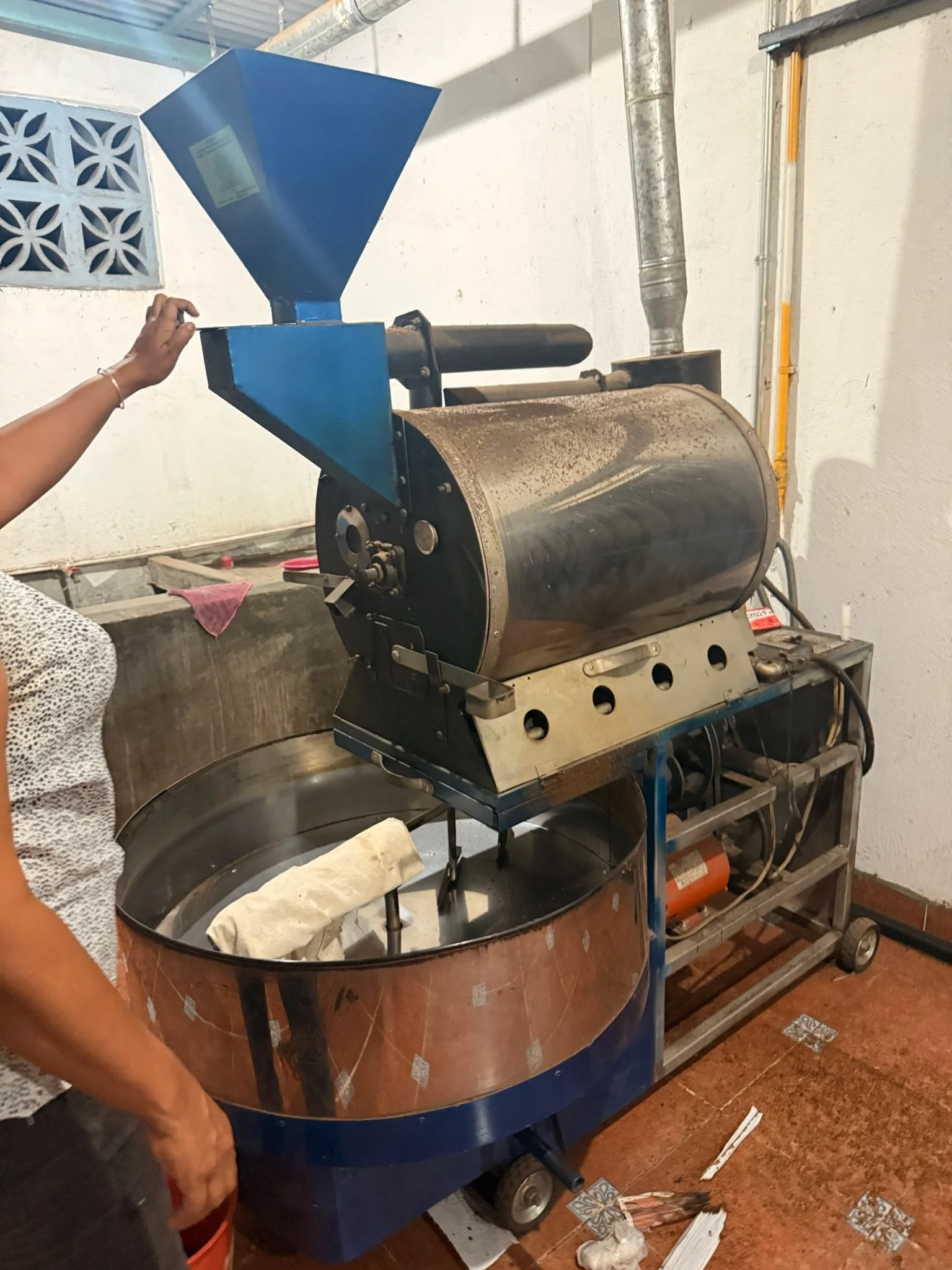
Green beans are sorted and inspected for defects by hand then put into a roasting drum rotating over heat creating the perfect roast from light to dark. After the first crack the beans are immediately cooled with air to stop the roast at the right moment. After resting for 24-72 hrs they’re packaged or ground ready to deliver some of the finest coffee from Mexico.