
Adolfo Morales Pérez
Second Generation. First Principles.
Adolfo Morales Pérez grew up watching his parents work the land in Ejido Otan, Chiapas. He chose to continue that work — and then spent seven years as an internal coffee inspector, learning how the entire supply chain functions from the inside out. That experience gave him something most producers don't have: a clear-eyed understanding of where value is created and where it disappears.
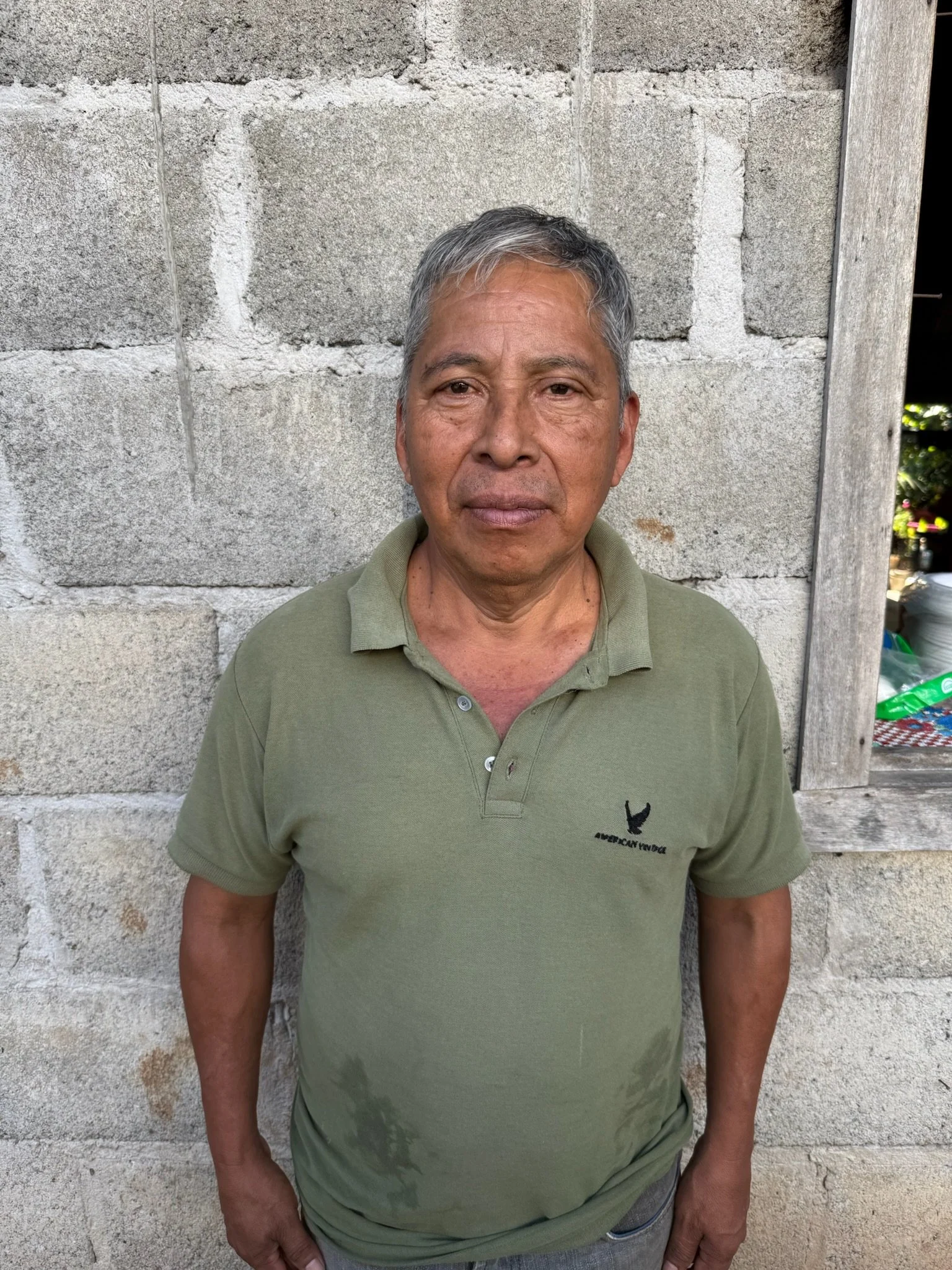
"With good management, organization, and investment — coffee can give you everything."
Most smallholder farmers sell their harvest to intermediaries — known locally as coyotes — who buy at the farm gate and pocket the difference. Adolfo watched that system long enough to understand exactly what it costs the people doing the actual work. A ton of coffee sold to a coyote might fetch 40,000 pesos. That same ton, processed and dried on-farm, can bring 65,000 pesos. That's a 25,000 peso difference that belongs in the farmer's hands — and Adolfo has built his operation around making sure it stays there.
Organization is the other half of that equation. Adolfo is a firm believer that producers who band together, share resources, and sell collectively are the ones who survive long-term in this industry. It's not just a philosophy for him — it's the practical reality of what separates a sustainable farm from one that folds after a bad season.
How He Farms
Works approximately 35 cuerdas of land in Ejido Otan, Chiapas
Grows coffee without synthetic fertilizers or pesticides, under natural shade and organic compost
Processes coffee on-farm to maximize value — drying and finishing his harvest rather than selling raw to intermediaries
Produces coffee seedlings (almácigos) as a sustainable side operation, reinvesting in the next generation of plants
He's clear-eyed about the challenges. Coffee is labor-intensive, and he's watched neighbors walk away from it when the margins got tight. His answer to that isn't to simplify or cut corners — it's to manage better, invest smarter, and never sell short. In good years, that discipline pays off in meaningful ways. He built his home from coffee. He hopes to pass all of it on to his two daughters — not just the farming knowledge, but the understanding of how the whole system works, and how to navigate it on their own terms. At CraterHouse, that's exactly the kind of producer we built this around.